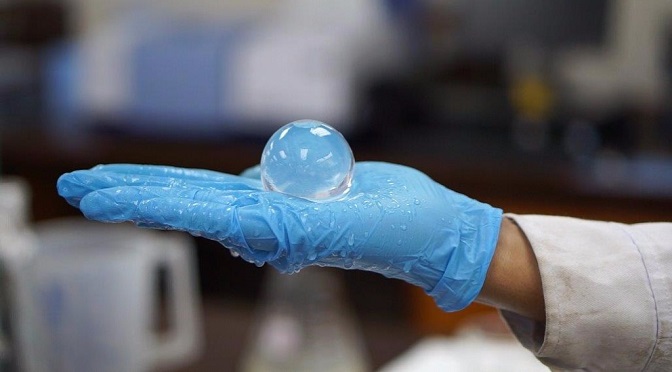
If you thought last year was exciting in alternative materials development, ’22 looks set to be a breakthrough year with great strides being made in developing sustainable, eco-friendly materials for products ranging from performance car parts to toothbrushes.
In the CirQulor Alternative Materials Database we’re currently developing, there are now more than 70 alternative bio-based polymers, fibres, binders and resins… with more added daily
From the exotic, like citrus peel, seaweed and mycelium (sourced from a fungus-like bacterial colony), to the seemingly mundane, such as rice hulls and reclaimed pulped fiber paperboard, there are an increasing number of materials available that look like, act like, and cost the same as their synthetic-based alternatives.
And other classes of material also offer manufacturers alternatives: 2021 saw a huge increase in the use of recovered recycled plastics. Initiatives from the packaging industry are bringing food grade recycled polyethene terephthalate (rPET) and recycled polypropylene (rPP) into mainstream usage. While these materials go some way in repurposing plastic waste that would otherwise end up in landfill, watercourses and the ocean, they do still produce harmful microplastics on decomposition and we hope these are a step to more sustainable materials in the future.
It’s not only advances in sustainable materials that are welcome. We’re seeing innovations in production with existing lines using alternative feedstock and additive manufacturing at scale with bio-polymers and resins. Supply chains are changing too, with increasing emphasis on local sourcing and the integration of alternative materials as a commercially viable alternative to virgin plastic on a global scale.
At Cirqulor we welcome these advances and look forward to another year of pioneering progress in this vital area.
If you produce, or know of, an alternative material that should be in our growing database, please do get in touch.