Although there are new (some highly innovative) materials and products being developed and entering the market, a defined list of plastic substitutes does not exist (yet)
The issue of plastic pollution is gaining momentum in the global effort to address climate change. And, while plastic substitutes are not an immediate solution at scale, the renewable materials industry grows daily – substitutes had global exports worth $388 billion in 2020, and policy support and incentives are increasing their use.
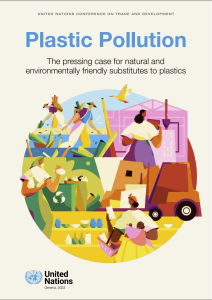
Key to the successful substitution is to define what constitutes a plastic substitute. Unfortunately, there is currently no comprehensive list of plastic substitutes, but UNCTAD’s recent Plastic Pollution. The pressing case for natural and environmentally friendly substitutes to plastics, with a list of 282 HS codes for potential substitutes, represents a significant milestone in both proposing a solution and raising awareness of the need to address this challenge.
The paper also outlines some of the crucial challenges policymakers will need to address in order to tackle plastic pollution and create incentives for plastic substitutes.
As the CirQulor Sustainable Materials Library moves ever closer to being live, it’s encouraging to know we’re in good company in our efforts to create a postplastic world.