Mind the Gap #1: Finding alternatives to Single Use Plastics

A major contributor to the environmental pollution problems we face today is what we term our ‘throw-away society’. We have become accustomed to products that are designed to have a short lifespan and which are then discarded. Manufacturers have even been accused of building in obsolescence to reduce product life. Then there are certain high-volume disposable products that are intended to be used only once. These single use plastics (SUPs), which include items such as straws, stirrers, sandwich wrappers and cotton buds, generate huge amounts of waste that end up in landfill and oceans.

Governments around the world, aware that discouraging the production of SUPs is not working, are responding with new regulations that effectively make the supply of these products illegal. In the UK since April 2020, suppliers who break the ban face a fine or compliance order. Similarly, the European Parliament has approved measures proposed by the European Commission to ban selected SUPs for which non-plastic alternatives exist, including expanded polystyrene food and beverage containers, and all products made of oxo-degradable plastic, as well as specific items like cotton bud sticks, cutlery and sticks for balloons. The ban, effective July 2021, makes it clear that biodegradable plastic cannot be used as a substitute material.

Whether the plastics industry likes it or not, the public and the legislators have decided that companies must bear the greatest responsibility in reducing environmental pollution. For many manufacturers, there is a stark choice. Continue to produce polluting items and face hefty fines, or switch to non-polluting products that are less harmful to the planet.

CirQulor is working to create the much-needed infrastructure, systems and resources that will assist companies and brands in switching from SUPs (and indeed most plastic products) to planet-friendly alternatives. We can help in the transition to a circular economy with innovative and sustainable business models, products and materials.

Image: Nariman Mesharrafa on Unsplash


Related articles

20in30 title-small

CirQulor 20in30 – Podcast

Where experts answer twenty questions in thirty minutes about plastic, alternatives-to-plastic and all things circular. #3 Hair’s what’s happening! , Andrew and Zsofia Kollar – Founder of Human Material Loop – get into what is ‘waste’ and the benefits of hypo-allergic, strong as steel, climate-positive high-performance textiles from human hair!

Read more »

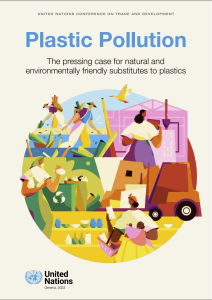
Plastic pollution solution? UNCTAD says; make a list…

Although there are new (some highly innovative) materials and products being developed and entering the market, a defined list of plastic substitutes does not exist (yet) The issue of plastic pollution is gaining momentum in the global effort to address climate change. And, while plastic substitutes are not an immediate

Read more »
The Impossibilities of the Circular Economy

The Impossibilities of the Circular Economy

Separating Aspirations from Reality 360dialogues  engaging graphic treatment examines circularity’s promise as a silver bullet for the planet’s problems and finds it wanting. With engaging visuals, it evaluates the claims from a scientifically informed perspective, illustrating the difference between possible and non-possible solutions for a more sustainable economy and provides a

Read more »

The Art of Invention

Let’s face it, it’s not easy to learn about alternative-to-plastic materials – often cutting-edge innovations described in the impenetrable language of the lab and the academy. But what about how we think about innovation? As IP lawyer Sara Holland’s article The Inventions so enjoyably shows, art has often been our

Read more »
Plastic waste dump aerial view

360º vision

”The amount of plastic produced in a year is roughly the same as the entire weight of humanity.”

There just aren’t enough elephants in the world for a comparison, so we’ll stick with 7 billion humans for now. The  truth is, if we want to achieve a sustainable future, we’ve a long way to go. But there are optimistic signs everywhere, green shoots that will change this planet for the better. Join us as we delve deep into a brave, new postplastic world.

Entries in this blog reference ‘CirQulor’.
This is Verdatica’s previous identity 

Latest