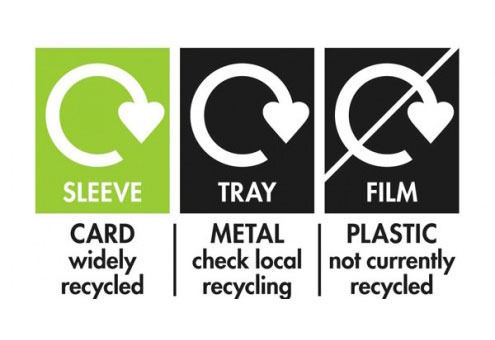
The phrase ‘widely recycled’ is part of a recognised labelling campaign run by Recycle Now in England. It is supported and funded by Government, managed by WRAP, and used by over 90% of local authorities. We welcome this development; it’s always good that consumers are informed of the options available to them, so they are encouraged to recycle more things, more often. Today, six out of ten consumers describe themselves as committed recyclers, compared to less than half when the campaign began in 2004.
So what does ‘Widely Recycled’ actually mean? According to Recycle Now, the term indicates that 75% of people have access to recycling facilities for these items within a territory (although sometimes that territory can be large and doesn’t indicate shortfalls in local recycling streams). It is not a guarantee, nor does it indicate the level of likelihood that the product will be recycled. It’s a more general statement, typically relating to the type of material from which the product or packaging is made.
A similar emblem in grey with a line through and the wording ‘Not recycled’ means less than 20% of people have access to recycling facilities for these items.
Unfortunately, some marketeers view the Recycle Now scheme as a way of promoting green credentials when it isn’t justified, particularly in using phrases such as ‘widely recyclable’ within promotional or on-pack content. Some might suggest more could and should be done by brands and retailers in supporting recycling and waste management across the entire lifecycle of the product, instead of local authorities and, ultimately the tax payer.
Perhaps, then, we might see recycling rates move from their current levels into the nineties. A development that would be ‘Widely welcome’, without doubt.